 Naperville, IL 60563
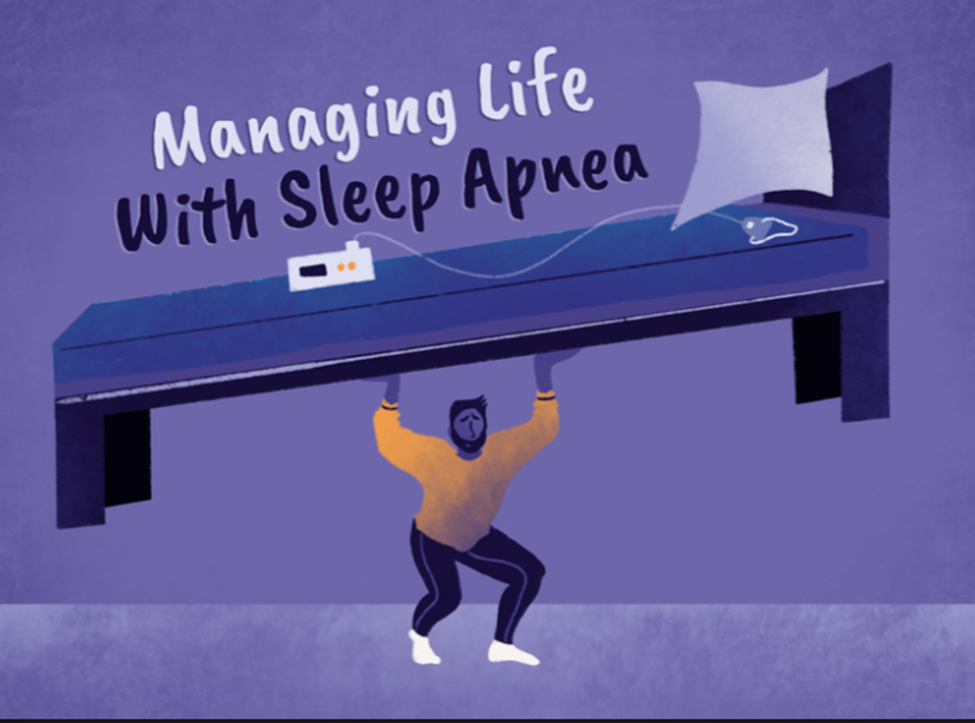
You recently received the report that you were diagnosed with obstructive sleep apnea and you recall looking at that bulky PAP machine on the mannequin head in the Doctor’s office while you were last seen by her. NOW WHAT? The idea that you have to wear it every night before going to bed is … .uncomfortable to say the least.
You are not alone. Many patients with OSA or other sleep disorders find the use of CPAP uncomfortable, to a point that compliance of the CPAP goes down by 75% in the first years!
Data show us that mild and moderate patients are the ones to shun the CPAP quicker because of various reasons but primarily not seeing value in it compared to the rigor of using and maintaining it.
The sleep apnea though sits right there, progressively worsening and progressively making a dent in your health every day…err every night!
WHAT OTHER OPTIONS DO I HAVE THAT ARE EFFECTIVE?
Thankfully, CPAP intolerant people do have other options
1. MANDIBULAR ADVANCEMENT WITH ORAL APPLIANCE THERAPY (OAT)
This is probably the least invasive option with greatest compliance (of about 75%) especially as efficacious as CPAP (or more) in patients with mild and moderate Obstructive sleep Apnea. A specialty trained dentist can fabricate the best appliance which is customized to the severity of your apnea, the oral architecture and several other factors taken into consideration. Most people find it easy to use because it is long lasting, easy with maintenance and they can see a difference in their restfulness almost immediately.

2. COMBINATION THERAPY WITH C-PAP
For some patients, combining the two most efficacious, effective and least invasive options seems to be the magic pill. Patients on combination therapy report high compliance and ease of use especially when they travel for work etc.
3. Mandibular advancement surgeries:
Not the least invasive, however an effective option for some patients to permanently open the airway up. Patients who have a regressed jaw position specifically benefit from this type of surgery, especially when done in combination with a systematically planned orthodontic therapy.
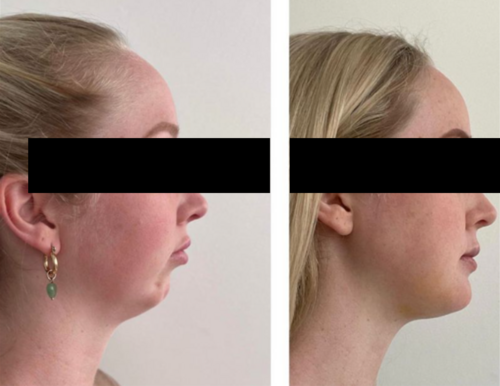
4. Surgeries ( ENT ) for correction of nasal obstruction and snoring :
For patients who have a deviated nasal septum or enlarged turbinates or other obstructions, nasal surgeries can immensely help ! The reduced nasal resistance is a key factor in successful compliance with CPAP as well as OAT. Other surgical options can include Uvulopalatopharyngoplasty (UPPP) to reduce the flabbiness of the muscles in the palatal region and reduce snoring.
5. HYPOGLOSSAL NERVE STIMULATION:
Commonly known by the term “Inspire”, this is a surgical process in which a small device is embedded in the deltoid-pectoral region and linked to a tongue muscle. This device recognizes the apnic episode and periodically moves the tongue forward with an electrical stimulation to open the airway and let air through. A DISE procedure is usually performed ahead of time to review if a candidate is eligible. Candidates with a BMI greater than 35 are not considered optimal for inspire therapy.

6. NEUROMUSCULAR ELECTRICAL STIMULATION OF THE TONGUE MUSCSLES
Commonly known as Excite-OSA appliance, this is a day time appliance worn about 20 mins every day for 6 weeks and then a few times a week for maintenance. This is an FDA approved effective option for mild and moderate OSA as well as snoring. An app guides you through the usage and compliance reminders help you stay on track.

7. Myo functional therapy:
Myo functional therapy is an excellent adjuvant in the treatment of OSA and Temporo mandibular joint disorders. In multiple studies, the non-invasive therapy when done continuously, has shown to reduce apnic episodes by 50%! The best part is it is safe for both adults and children.

8. Early interventional orthodontics, MARPE and SARPE:
Sleep breathing disorders are disorders that impact muscular tone, airway patency and consequently the quality of sleep and life. The position of the jaws and their growth can significantly contribute to the issue. Early identification and planning as well surgical interventions like RAPID MAXILLARY EXPANSIONS can help reverse the issue as well as the impact.

Other adjunctive therapies like LASERS have been used for adjusting muscle tone, as well as in releasing tongue tie which contributes to this condition.
Truth be told, as a patient you have several options. It is important to be empowered and have a thorough and honest discussion with your health care providers so you can make a choice that fits your lifestyle and most importantly helps you stay compliant so you can reap the rewards of a great healthful sleep and life!
©Dr.Aarthi Raghavan, BDS, DMD, Dip.ABDSM