 Naperville, IL 60563
Sleep Apnea
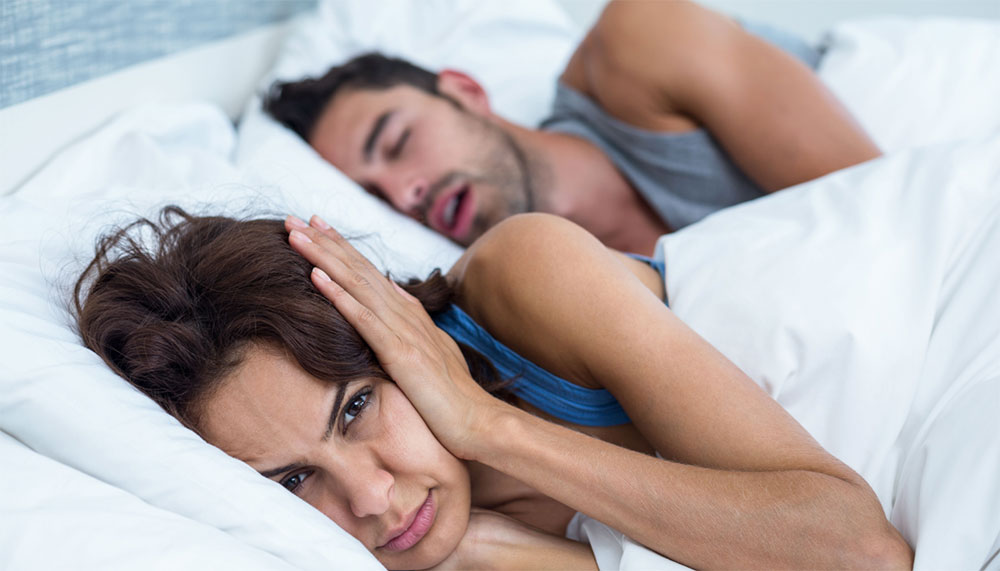
Do you snore?
Sleep apnea is a dangerous disorder that occurs when someone’s breathing is interrupted during sleep, usually due to a blocked airway. There are three types of sleep apnea: obstructive (OSA), central and mixed, with obstructive being the most common affecting around 22 million people in the US.
What is snoring?
Snoring is the rattling noise caused by the flapping of lax muscles and narrowing of the air passage as air passes through this narrowed passageway. Oftentimes loud disruptive snoring happens with open mouth breathing. Snoring is the reason for 33% of divorces in the United States and the third leading cause.
Primary snoring is snoring that is not accompanied by awakening or excessive arousals, limitation of airflow, oxygen desaturation, or arrhythmias during sleep and that occurs in people who do not have excessive daytime sleepiness. Arousals are brief transitions to lighter sleep or awakenings that last < 15 seconds and are usually not noticed.
For many people, the most annoying by-product of sleep apnea is snoring. It’s important to note that there are many far more serious health risks associated with it. Studies have shown there is an increased risk of type 2 diabetes, strokes, heart attacks, and even shortened lifespans for people suffering from sleep apnea according to John Hopkins University.
What is Obstructive Sleep Apnea?
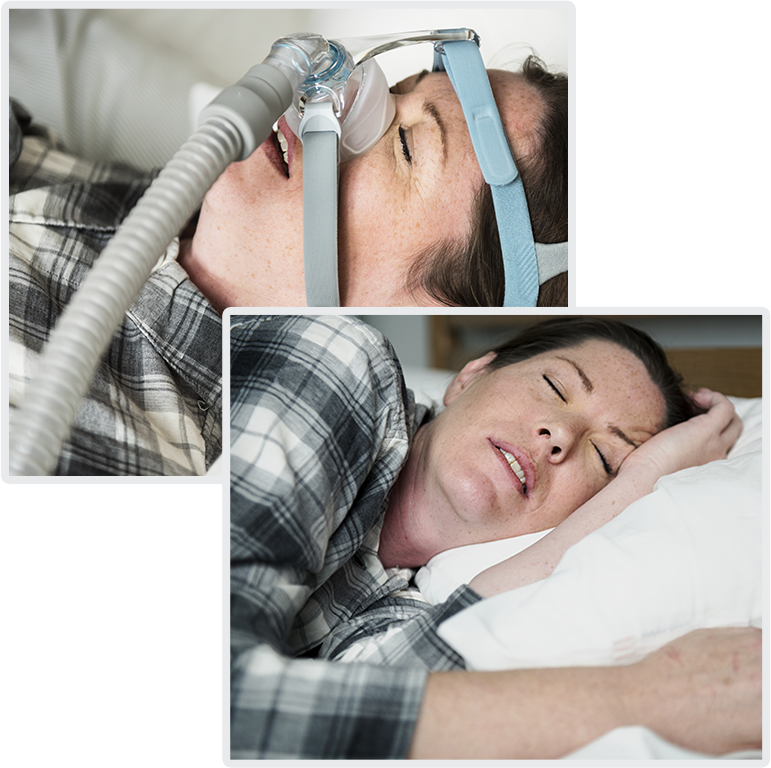
Obstructive Sleep Apnea is the most common sleep related breathing disorder, during which patients have episodes where they completely stop breathing or have oxygen flow reduced by 30% or more for at least 10 seconds.
It happens when the throat muscles and tongue relax and fall back into the airway causing obstruction to the airflow.
Snoring is often the first sign that someone has obstructive Sleep Apnea. As a result of this reduced oxygen, the sleep cycle, brain health, and heart health are at risk.
Patient’s often present with:
- Increased daytime sleepiness
- Waking up feeling tired
- Wake up with a dry mouth or sore throat
- Morning headaches
- Needing an afternoon nap
- Increasingly dependent of caffeine/ sugar for being able to stay awake
- Difficulty focusing at school, work or while driving
- Clenching, grinding, sore facial muscles, TMJ symptoms like clicking or popping
- Decreased Libido
- Frequent mood changes and getting upset
Obstructive Sleep Apnea in Children
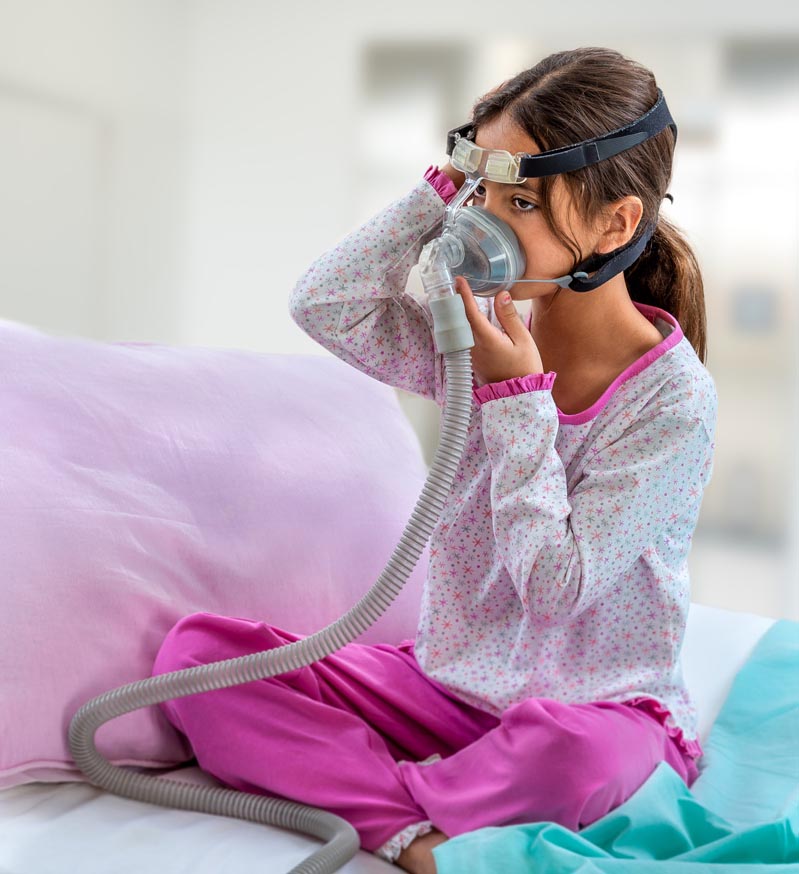
Children can have obstructive sleep apnea too. Enlarged tonsils often block the airway and contribute to obstructive sleep Apnea. Children with OSA are vulnerable to altered craniofacial growth ( long narrow faces known as adenoid facies), but are also more likely to present with frequent allergies and respiratory infections.
Does your child snore or grind excessively?
Talk to us about screening for obstructive sleep Apnea and how we can help!
When to seek help:
- If snoring disturbs yourself or others
- If you wake up gasping or choking
- If your breathing pauses during sleep
- If you experience excessive daytime sleepiness that worries you.
Are you at risk?
Obstructive Sleep Apnea is the most common sleep related breathing disorder, during which patients have episodes where they completely stop breathing or have oxygen flow reduced by 30% or more for at least 10 seconds.
It happens when the throat muscles and tongue relax and fall back into the airway causing obstruction to the airflow.
Snoring is often the first sign that someone has obstructive Sleep Apnea. As a result of this reduced oxygen, the sleep cycle, brain health, and heart health are at risk.
Do you:
- Snore
- Often wake up tired or with a headache
- Wake up gasping or choking for breath or have you been told by a spouse or partner that you stop breathing at night?
- Have High Blood Pressure
- Have a BMI that puts you in the obese category
- Have a neck circumference greater than 15 inches
Are you a male or female who is 50 or older?
Men are at a 3x greater risk while both men and women over 50 have a higher risk.